


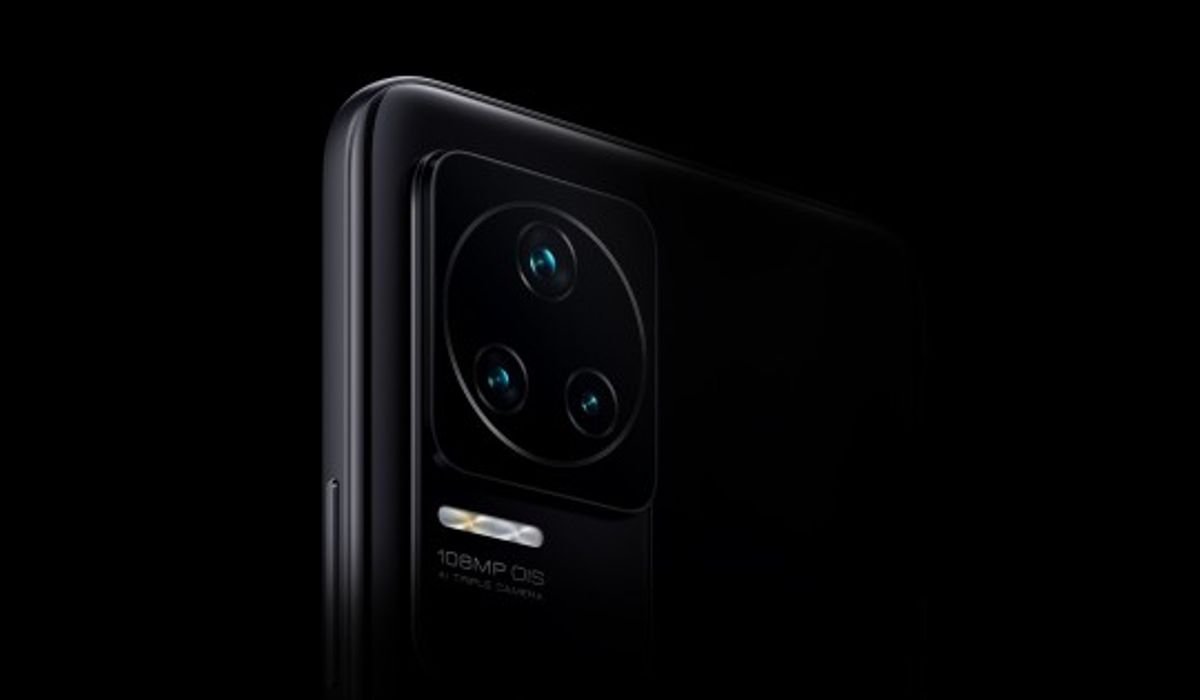
Before, photography was only for those who had the equipment. But now, everyone has the same power of taking high-quality or even better photographs using just a smartphone. It is huge thanks to the integration of Artificial Intelligence (AI) in smartphone cameras.

Since an AI camera is capable of its own ‘thinking’, it can automatically alter camera settings and the photo itself. It is possible through deep machine learning, neural networks, and computational photography. Try comparing an image taken from a phone made in 2010 to one of the latest smartphone versions. Most of the differences you will see are because of AI features in smartphone photography—thanks, android, and iOS developers!
Because of the improvements in the internal processing of smartphones, backed by the billions of data processed that improved AI functions, everyone can now utilize some advanced features that only professionals can do before. And, to give you a clearer picture, here is a list of how AI is redefining smartphone photography, one feature at a time!
Here’s how AI is changing smartphone photography
- Computational Photography through NPUs
A Neural Processing Unit (NPU) is hardware separate from the main CPU. Its function is to accelerate the capacity of a phone to execute deep learning algorithms. Don’t be confused: this is not the AI itself. But it boosts AI functions in a smartphone by giving ‘intelligence’ to its lenses.
NPU’s effects on the camera include but are not limited to: processing images (including dimly lit photos) in a second, identifying what image you want to take to adjust ideal settings for your photo, automatically configuring settings (brightness, contrast, etc.), and take High Dynamic Range (HDR) images.
DSLR cameras have basic computational photography features, but because of NPUs, smartphones have advanced features that can match or even exceed the capabilities of a traditional photography method, at least before going through an image-processing software.
One example of this is the ability of algorithms and AI to blend multiple photos for both too dark and too bright environments to yield a high-quality image. It produces a picture with low image noise but still has the correct color and details.
- LiDAR and ‘Bokeh’ Effect In Images
Portrait Mode is one of the features new smartphones have. The camera detects the subject through deep learning algorithms and AI to blur the background. It is done through Light Detection and Ranging (LiDAR) laser and scanner. It is a time-of-flight camera that the newer and more advanced phones have.
This feature is utilized not through larger lenses but by replicating optical zoom. With two cameras in a smartphone, features are maximized. One focuses on the subject, while the other one is computing the depth of the surroundings and blurring the background to isolate the subject focus of the camera. The result is you can have photos with ‘bokeh’ or blur effects that only studios or extensive editing skills can produce before.
- Automatic Image Editing
It takes skill to manipulate a photo using image-editing software. But recent developments in digital technology allowed casual smartphone photographers to apply pre-made filters and edit photos in just seconds.
You can now leave the camera settings to AI whenever you take a picture. The moment you open your camera, it will scan whatever you want to take, then run the algorithm from deep learning AI to automatically adjust the colors, saturation, sensitivity, and other settings. Imagine: this happens in just a split second! This process optimizes the images you take that can be comparable to the quality a dedicated camera can produce.
- Automatic File Sorting
AI relies on tons of data for analysis. It processes millions of images and data to learn how to identify pictures independently. It is possible by isolating visual markers up to pixel levels so that AI can identify images on their own. Now, AI can sort photos and zip files in your gallery automatically.
AI can separate food pictures from selfies, group photos of your loved ones from each other, or identify your pets, among others. It may seem like an easy task, but AI can clean up your photo library in a swipe, which makes sorting through your albums easier!
- Sensor-Activated Cameras
This technological development is not new in household settings. There are vast numbers of appliances and equipment that can be controlled by speech or gestures. Cameras are one of these. Through AI, they can obey simple voice commands such as ‘take a photo’, ‘record video’, or ‘start slow motion video’.
Fusing with mobile AI, you can also personalize camera commands through hand gestures, where all you have to do is raise your palm, and your photo will be taken automatically!
The Takeaway: AI is changing the landscapes (and portraits) of photography
AI is rapidly getting better and better, both in hardware capabilities and software processes. It is redefining smartphone photography for everyone– empowering those who take interest in capturing moments and experiences of their daily life. In the era of content creation, AI is a reliable companion in making quality photos without complications!
